
Questions before you register
Frequently Asked Questions About Consultations
These are the questions people ask most often before registering. They cover what happens after you submit the form, how sessions are scheduled, what to prepare, and how follow-up works.
Before you start
Registration and scheduling
Submitting the formulir pendaftaran starts the process. Here is what happens between your click and your first conversation.
You will need
- ·A goal you can describe in one sentence
- ·Your usual meal times
- ·Two or three days of food notes
What happens after I submit the registration form?
You receive confirmation that your form arrived, usually within one working day, along with a short note on what to prepare. The team then reviews your goal and confirms your jadwal konsultasi.
When are consultation slots available?
Slots run across the working week, with some evening availability for people who cannot take time off during the day. If none of the offered times work for you, say so in your reply and an alternative will be found where possible.
How do I change my slot?
Contact the team as early as you can. Confirming a change early means the dietitian's preparation time can be reassigned rather than lost.
Is there a first step before booking?
Yes — read how a consultation works to understand the flow, then submit the registration form when you are ready. There is no obligation at either step.
Preparing for your session
Complete the intake form fully and bring two or three days of food diary notes. None of this needs to be tidy — honest and rough beats polished and vague.
What to bring
- Food notesTwo or three days
- Medication or supplementsNote them
- Doctor or specialist involvedTell us
- Cooking for children or older adultsAdd their notes
Why it helps
If you cook for children or older adults, add their preferences and any difficulties with chewing or appetite. Small details about texture and appetite change what the dietitian recommends, so they are worth mentioning even when they feel obvious to you.
Everything you share is used to build the meal plan. If part of the intake form is unclear, leave a short note in your own words rather than guessing at the answer.
Session formats
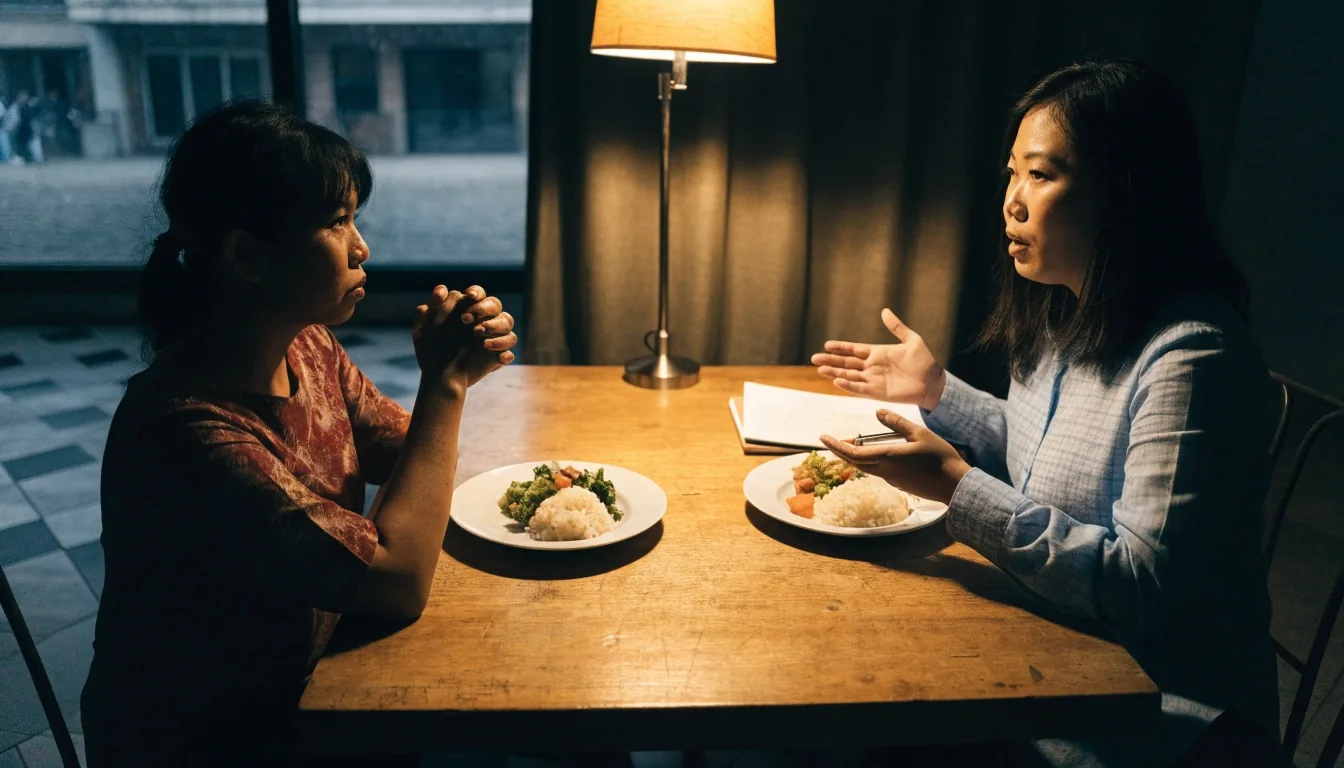
Video sessions suit first consultations and full weekly meal planning, because seeing the plate and talking through a week works better in real time. Written consultations suit follow-up questions and small adjustments to an existing plan.
Both formats use the same intake form and both end with a written summary you can return to. You choose the format when you register, and you can switch later if your situation changes.
Read how a consultation worksFood diaries
Two or three days is enough for a first consultation. Record meals, snacks, drinks, and the times you ate them. Rough portions are fine — the pattern matters more than the accuracy of the numbers. Include sweet drinks and snacks eaten while cooking, since those are the entries most often left out. If you have kept a diary for longer, bring all of it.
Write down drinks as well as food
Sweet tea, coffee, and juice are easy to skip. They are part of the picture.
Note the time of each meal
Whether breakfast is at six or at ten changes the advice more than the exact portion does.
Jot down snacks eaten while cooking
A spoon of sambal and a taste of the rice before serving all belong in the note.
Meal plans
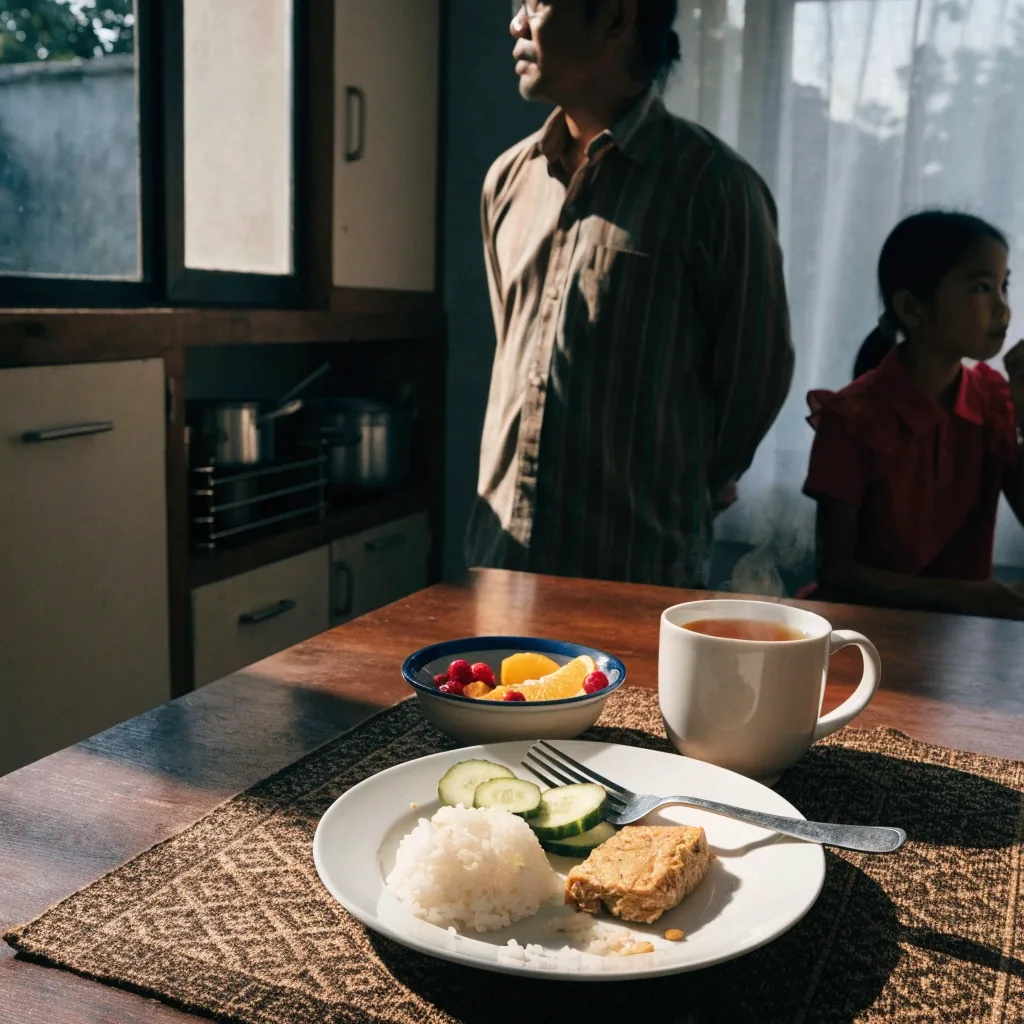
Your plan names dishes, rough portions, and meal timing for your household. It uses local ingredients and your usual cooking methods, so nothing asks you to rebuild your weekly routine around unfamiliar food.
Adjustments happen at follow-up, and it is normal for the first version to need a change or two. If a recommendation does not fit your kitchen, tell your dietitian rather than abandoning the plan quietly.
Follow-up
Follow-up is where the plan gets revised. You report what worked and what did not, and the dietitian adjusts the next step rather than starting from scratch.
Cadence depends on your goal, with some people checking in after two weeks and others after a month. Written follow-up is available if a full session is not needed.
Written follow-up
Send a short note with your question, and you receive a written reply with the adjustment explained. Useful when a small change is all you need.
What this service does not cover
The dietitians here do not diagnose conditions, prescribe medication, or provide treatment. If your intake form suggests a condition that needs clinical care, you will be asked to involve your treating professional before continuing.
Nutrition consultations focus on eating patterns, meal planning, portions, and household food routines. That is the scope, and staying inside it keeps the advice useful and the boundaries clear.
Starting a consultation does not replace care from your doctor, and the two can run alongside each other. If you are already working with a specialist, tell your dietitian so the plan fits the wider picture.
Practical questions
Small details that come up again and again, answered plainly.
What language are sessions in?
Indonesian or English, whichever you prefer. Tell the team when you register.
Do you work with clients outside your city?
Yes. The service works across Indonesian cities and time zones.
Can I contact you if I still have a question?
Yes — reach the team on +62 411 362 5500 or email [email protected].
Where is the office?
Jl. Ahmad Yani No. 99, Makassar, South Sulawesi. Open Monday to Friday, 09:00–18:00.
If your question is not here, the contact page is the fastest way to get a direct answer.
Ready to start
Register when the questions stop
Submitting the formulir pendaftaran is the first step. If you would rather ask something before registering, write to the team — both routes reach a real person.